5 Ways a Modern Dental Office Improves Patient Comfort
In recent years, the dental industry has made significant strides to enhance the patient experience. Modern practices employ a variety of technologies and strategies to ensure patients feel more at ease, ultimately improving their overall satisfaction with oral healthcare. Despite these advancements, it remains alarming that, according to the World Health Organization, oral diseases affect nearly 3.7 billion people globally. This statistic underscores the urgent necessity of making clinical care more accessible, approachable, and comfortable. Today's practitioners aim to address widespread anxiety by adopting cutting-edge technologies and therapeutic approaches designed to alleviate physical discomfort and emotional stress. Understanding how these innovations work helps patients approach their regular checkups with greater peace of mind and confidence.
1. Advanced Technology for Pain-Free Procedures
Laser dentistry represents one of the most significant technological advancements in modern oral care. By utilizing focused light beams, practitioners perform soft and hard tissue procedures with extreme precision and minimal discomfort. Lasers reduce intraoperative bleeding and localized swelling, which dramatically accelerates post-treatment healing times. Because laser applications are gentle and frequently eliminate the need for traditional high-speed drills, patient anxiety is reduced substantially. Integrating light-based therapies allows a modern dental office to deliver high-precision care while maintaining a peaceful environment.
Digital impressions have completely transformed the process of capturing oral diagnostics. Unlike traditional tray methods that use bulky impression putty that often trigger gag reflexes, digital scanners capture highly accurate three-dimensional images of the teeth in seconds. This contactless scanner creates precise digital models that seamlessly transfer to restoration laboratories. The speed and precision of digital scanning minimize chair time and eliminate unnecessary physical discomfort, allowing clinicians to design custom crowns, bridges, and alignment trays with unprecedented efficiency and comfort.
Sedation dentistry provides an essential solution for individuals suffering from severe dental anxiety or phobia. Practitioners utilize various levels of clinical sedation to help patients remain relaxed throughout complex or routine procedures. Options range from mild inhalation sedation using nitrous oxide to oral conscious sedatives and intravenous administration. By blunting stress responses and blocking pain signals, sedation allows patients to undergo necessary treatments without emotional distress. This compassionate approach ensures that fearful individuals can receive comprehensive care before minor issues escalate into painful emergencies.
Minimally invasive surgical techniques focus on preserving healthy tissue while reducing physical trauma during complex operations. Procedures such as dental implant placements, bone grafting, and periodontic therapies now utilize targeted micro-instruments and guided surgical templates. These refined methodologies yield smaller surgical sites, significantly reducing postoperative swelling, bleeding, and discomfort. By prioritizing tissue preservation, clinicians minimize recovery times and lower the risk of post-treatment complications, allowing patients to resume their normal daily routines far more quickly.
2. Designing a Soothing Office Environment
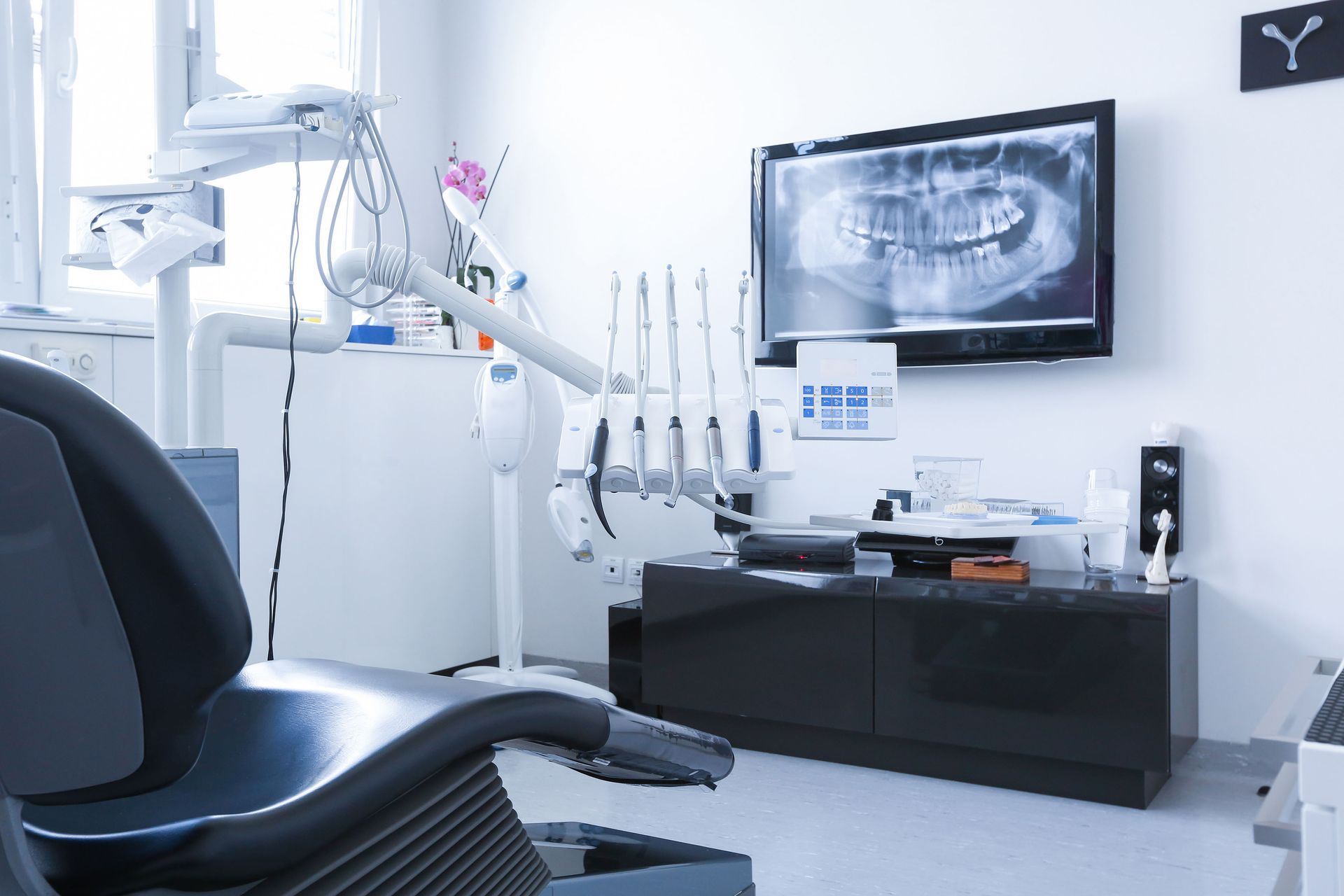
Ergonomic dental chairs play a vital role in ensuring physical comfort throughout clinical appointments. Modern treatment chairs are built with memory foam padding, lumbar support, and fully adjustable headrests that conform to individual body contours. These features relieve pressure on the spine and neck, preventing muscle fatigue during extended procedures. By maintaining proper body alignment and offering smooth positioning transitions, ergonomic seating ensures that patients remain physically relaxed while receiving treatment in the dental office.
Auditory comfort strategies are increasingly utilized to counteract the sound of clinical equipment. Many practices incorporate ambient music, calming acoustic soundscapes, or noise-canceling headphones into their treatment suites. Distracting auditory stimuli with soothing sound profiles helps lower heart rates and mitigate stress responses. Allowing patients to select their preferred music or podcast creates a sense of personal control, effectively transforming an anxious appointment into a far more serene, relaxing experience.
Waiting environments have evolved from traditional clinical reception areas into comfortable lounges designed to promote relaxation. Practices furnish these spaces with comfortable seating, complimentary beverage stations, and entertainment options such as high-definition televisions and tablets. Providing engaging entertainment offers a welcome distraction, preventing pre-appointment anxiety from escalating. By creating an atmosphere reminiscent of a modern living room or quiet spa, practices help patients start their appointments in a calm frame of mind.
Color psychology heavily influences the interior architecture of modern healthcare facilities. Practices strategically select soothing color palettes featuring muted blues, soft greens, and warm neutral tones to cultivate an atmosphere of tranquility. These specific hues are scientifically proven to lower blood pressure and reduce autonomic nervous system arousal. Replacing harsh clinical whites with warm, calming wall shades transforms the visual environment, making the entire facility feel more welcoming and inherently less intimidating.
3. Delivering Personalized Patient Care
Comprehensive initial consultations form the foundation of compassionate clinical care. During these meetings, practitioners review medical histories, discuss past dental experiences, and listen attentively to personal concerns or anxieties. Taking time to understand an individual's unique needs fosters mutual trust between the patient and the clinical team. This open dialogue ensures that care plans address specific anxieties, making patients feel valued, respected, and fully supported throughout their healthcare journey in a dental office.
Tailored treatment strategies align clinical recommendations with a patient's personal lifestyle, financial preferences, and health goals. Rather than applying a rigid, one-size-fits-all approach, practitioners present transparent options and encourage collaborative decision-making. Involving patients directly in planning their care fosters a sense of agency and confidence. Custom treatment pathways ensure that procedures proceed at a manageable pace, maximizing personal comfort and long-term clinical success.
4. Cutting-Edge Sterilization and Safety Protocols
Adhering to high-standard sterilization protocols ensures a hygienic environment that protects patient health. Modern clinics utilize medical-grade autoclaves and ultrasonic cleaners to sterilize all reusable instruments, verifying performance through regular biological monitoring. Strict disinfection routines are carried out on all room surfaces between appointments. These rigorous safety measures eliminate cross-contamination risks, providing patients with peace of mind regarding their health and safety.
Antimicrobial surface coatings offer continuous protection against microbial contamination on high-touch surfaces like door handles, light switches, and countertop areas. These non-toxic coatings actively break down bacteria and viruses on contact, supplementing traditional chemical disinfection protocols. Incorporating long-lasting antimicrobial barriers ensures that communal and treatment spaces maintain superior levels of cleanliness around the clock.
Advanced air filtration systems maintain exceptionally clean indoor air quality within the facility. Utilizing multi-stage High-Efficiency Particulate Air filters alongside ultraviolet germicidal irradiation, these systems continuously capture and neutralize airborne pathogens, dust, and aerosolized droplets. Maintaining purified air circulating throughout treatment areas reduces disease transmission risks, providing a fresh, odor-free environment where patients can breathe easily.
5. Innovative Scheduling and Seamless Logistics
Online booking portals revolutionize how individuals manage their healthcare appointments. These digital platforms allow users to view real-time schedule availability and book visits at their convenience, 24 hours a day. Eliminating the need to make phone calls during restricted business hours simplifies scheduling for busy professionals and families, making routine oral healthcare far easier to integrate into a demanding daily routine.
Automated reminder systems utilize text messaging and email notifications to keep patients informed about upcoming appointments. These reminders provide timely alerts and allow for convenient, one-click confirmations or rescheduling requests. By keeping communication channels open and clear, automated reminders reduce missed appointments and help individuals maintain consistent preventative care routines.
Flexible scheduling options, such as early morning, late evening, or weekend availability, accommodate diverse personal routines. Modern practices recognize that taking time off work or school for appointments can be difficult. Offering non-traditional appointment slots lowers barriers to receiving timely care, ensuring patients can maintain optimal oral health without disrupting their daily commitments.
Modern facilities successfully redefine patient comfort by combining advanced technologies with compassionate, individualized care. Prioritizing physical ease, environmental tranquility, and open communication transforms routine healthcare into a positive, stress-free experience. If you are ready to experience state-of-the-art care designed around your comfort, contact the welcoming team at Otter Creek Dental to schedule your next appointment today.